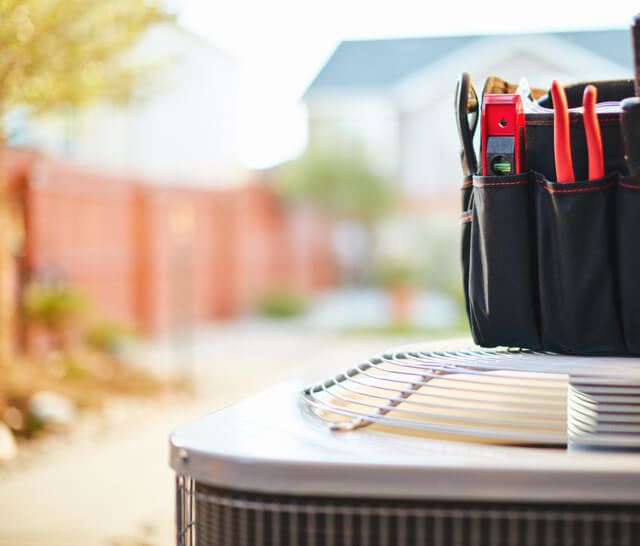
In Prince William County, neighborhood factors can have a real impact on how well your AC performs and how often it needs attention. Whether you’re dealing with heavy pollen, ongoing construction, or lush landscaping, these local influences create unique challenges for your air conditioning system. Understanding how your surroundings affect AC efficiency lets you take proactive steps to keep your home comfortable, your bills reasonable, and your equipment running smoothly all summer long.
How Neighborhood Factors in Prince William County Impact AC Performance
Neighborhood environments in Prince William County often combine older, tree-lined communities with rapidly growing residential developments. Trees and green spaces are a major draw for families and homeowners, but they can create a steady supply of leaf debris, pollen, and grass that clogs filters and coats AC units. Even areas with newer construction aren’t immune—dust and dirt from ongoing building projects and unlandscaped lots can quickly cover outdoor AC components, leading to reduced system efficiency.
Many neighborhoods have active landscaping crews or HOA-managed grounds. Weekly mowing, spring and fall cleanup, and tree trimming sessions kick up dust, pollen, and debris that float through the air and settle on your outdoor condenser and around your vents. Community pools, parks, and neighborhood gatherings also lead to increased traffic and activity, raising levels of airborne pollutants. Over time, these conditions put extra strain on any AC system, making timely maintenance essential.
Environmental changes with the seasons mean that your AC is exposed to different stressors throughout the year. In spring, tree pollen levels surge. In summer and early autumn, dust, grass clippings, and dried leaves: all of these find their way into your system. Being aware of these cycles—in addition to the effects of construction and landscaping—helps you know when to be especially vigilant and when to schedule key maintenance tasks.
Outdoor Pollutants That Affect AC Units in Prince William County
Seasonal pollen is one of the most persistent challenges for AC maintenance in Prince William County. Each spring, tree and grass pollen levels soar, coating outdoor condensers and entering homes through open windows and doors. When pollen builds up on coils or clogs filters, the AC runs longer to achieve the same level of cooling, increasing your energy costs and shortening component life. Mold spores are another common local contaminant, especially following periods of frequent rain or high humidity. These microscopic spores can quickly invade ducts and filters, causing reduced airflow and occasional musty odors.
Ongoing construction projects throughout the county contribute a significant amount of dust. Fine particulates—from dirt, concrete, and drywall—travel easily to nearby homes, where they can block outdoor coils and settle into ductwork. Homeowners often notice their filters filling up more frequently or a thin layer of dust developing around vents and registers. To keep indoor air quality high and avoid system wear, it pays to increase filter changes when new developments or street repairs happen nearby.
Vehicle emissions and road dust also pose ongoing problems, even away from major highways. Cars, buses, and trucks stir up small particles that accumulate in residential areas, especially near busy intersections or after periods of dry weather. Combined with other pollutants, this steady exposure can erode system efficiency and contribute to higher repair costs if left unchecked.
Construction & Roadwork: Hidden Risks for Your AC System
Few homeowners realize how much construction work in their neighborhood can affect their air conditioning system. Major developments and smaller infill projects both generate airborne dust and debris that settle on homes downwind. As dirt and construction residue gather on or around the outdoor AC unit, airflow becomes restricted. This makes it harder for the system to expel heat, reducing its ability to cool your home efficiently and increasing strain on sensitive parts.
Roadwork presents unique risks as well. Repaving, sidewalk updates, and street cleaning usually kick up sand, gravel, and chemical residues. These can blow directly into ground-level condensers or get tracked into garages and entryways—eventually making their way into your ducts and air handler. After an area completes a project, lingering dust and debris continue to circulate for weeks, so it’s a good idea to schedule system checks and cleanings once the heavy equipment moves out.
Some warning signs your AC may be affected by local construction include:
- Noticeably faster filter buildup or visible dirt on vents
- Raised utility bills despite consistent usage habits
- Lower airflow or “hot spots” in the home, especially on upper floors
Addressing these signs quickly with thorough cleaning and filter changes helps prevent dust from causing lasting damage or reducing indoor air quality.
How Landscaping Choices Impact AC Efficiency in Prince William County
With abundant green spaces across Prince William County, landscaping plays a big part in AC performance. Dense shrubs, hedges, and tall grasses planted close to the condenser reduce its ability to release heat by blocking vital airflow. When these plants grow too close—or when mulch and leaves pile up around the base—your AC works harder, increasing energy use and the risk of a midseason breakdown.
Mulching beds add another layer of risk if material is allowed to migrate into the outdoor unit. During stormy or windy conditions, fine mulch and dirt get blown through the condenser fins, eventually building up inside and cutting off vital airflow. Likewise, grass clippings from seasonal yard care, or leaves that gather after fall cleanup, can accumulate faster than you expect—often out of sight. Because few homeowners regularly inspect their condensers, debris can go unnoticed for months, compounding performance issues.
To improve airflow and minimize issues:
- Maintain at least two feet of clearance around the entire AC unit
- Keep landscape beds, decorative stones, and heavy mulch away from condenser bases
- Routinely clear away leaves and clip back overhanging shrubs each season
Taking these steps helps your AC operate at peak efficiency and reduces wear on critical components.
Weather Patterns & Their Impact on Local AC Wear
In Prince William County, weather patterns fluctuate dramatically from season to season. Sticky summer humidity—often exceeding 70%—puts air conditioners under heavy strain, since they must remove moisture before lowering indoor temperatures. This constant demand increases the workload on coils and drainage lines, making routine preventive maintenance even more critical for reliable comfort and system longevity.
Intense summer thunderstorms deliver sudden wind gusts and heavy debris. Loose branches, pine needles, and leaves blown by storms often end up inside or around outdoor AC units. These block airflow and even damage moving parts, resulting in loud noises, reduced cooling, or unplanned system shutoffs. After any major weather event, a quick survey around your outdoor condenser can identify hidden risks before they become major problems.
Heatwaves place further stress on residential cooling systems as usage peaks. High temperatures and spikes in local electricity demand can lead to brief voltage drops or system interruptions, causing AC motors to work harder to cool the same square footage. Scheduling tune-ups before extreme weather arrives allows technicians to identify worn parts and clean vital components—helping your system handle whatever surprises the season brings.
Detecting Local Issues Before They Cause AC Breakdowns
Recognizing early warnings that neighborhood factors are harming your AC can help you avoid costly repairs down the road. One clear sign is a sudden increase in your energy bill, especially if your usage habits haven’t changed. When filters become clogged or coils are dirty from outside debris, your system uses more power to maintain the same indoor temperatures.
Watch out for odd sounds, too. If you hear rattling, buzzing, or grinding from the outdoor unit—especially after lawn maintenance or a storm—check for sticks, mulch, or other materials lodged inside. These can restrict fan movement and, if ignored, damage the compressor or other components. Another sign is reduced airflow: if some rooms are warmer or cooler than others or vents don't seem to blow as strongly, it’s time to inspect filters and the outdoor unit for issues.
Finally, pay attention to unfamiliar odors coming from your AC. Musty smells often point to mold or dampness in the ductwork, while burning odors usually mean overheated components. Both result from clogging or insufficient airflow, often traced back to local environmental dust, pollen, or moisture. Taking quick action when you notice any of these symptoms helps prevent small problems from turning into a major service call.
Maintenance Routines & Upgrades for Prince William County Homeowners
Regular AC maintenance is your strongest line of defense against the challenging local environment. Start by replacing filters more often—every 30 days during peak pollen or dust seasons, and at least every 60–90 days the rest of the year. If you live near ongoing construction or dense landscaping, opt for high-efficiency pleated or HEPA filters that trap smaller particles.
At least twice during the cooling season, gently rinse the outdoor condenser with a garden hose to remove dust, grass clippings, and pollen. Be sure to turn off the power before cleaning, and check manufacturer guidelines for your specific system. Between deeper cleanings, visually inspect the unit and keep the area clear of yard waste after mowing or landscaping projects. If mulch or leaves get inside, schedule a professional cleaning to restore optimal airflow.
Consider upgrading your system with tools that help manage our region’s specific issues. Programmable thermostats allow you to schedule temperature changes based on actual conditions—lowering runtime during milder periods and reducing wear on components. UV air purifiers or in-duct air quality products fight mold and pollen more effectively, while smart home monitoring can alert you when airflow drops below normal. For added peace of mind, choose a service provider that understands Prince William County’s seasonal risks and builds these checks into every maintenance visit.
Choosing a Local AC Service Provider: Why It Matters for Efficiency
Relying on a local, community-based provider like Reddick & Sons Inc. comes with clear advantages for Prince William County homeowners. Our team understands firsthand how quickly pollen spikes, how nearby construction ramps up dust, and how fast summer heat sets in. This familiarity helps us tailor solutions, whether you need routine maintenance, same-day emergency service, or recommendations for air quality upgrades. We’re not just responding to generic issues—we’re tackling the specific challenges our neighborhoods face every season, supporting better efficiency and long-lasting comfort.
Our same-day service is a lifesaver when the AC stops working on a muggy night or during weekend heatwaves. Because we’re based in Northern Virginia and serve the county daily, we can deliver prompt assistance without weeks of waiting. Our technicians communicate clearly throughout each job, always wearing shoe covers indoors and sending photo updates before arrival. This commitment to respect and personalized care has helped us become one of the area’s top-rated providers.
You also benefit from our long-standing reputation and fair pricing, with hundreds of five-star reviews from homeowners just like you. We believe that clear, upfront communication and reliable service should be the standard, not the exception, and we’re proud to maintain those values job after job. When you work with a trusted neighborhood provider, you gain access to tailored maintenance plans, ongoing support, and knowledgeable guidance for any AC concern you face.
The Real Value of Local AC Professionals in Addressing Efficiency Challenges
Working with a company that lives and works in Prince William County means you get more than just standard AC service. Our technicians take time during every maintenance visit to look for risks common to our area—such as construction debris, windblown pollen, or dense landscaping around your unit. Rather than following a one-size-fits-all checklist, we draw on years of firsthand experience with local homes and community trends to prevent problems before they impact your comfort or wallet.
We invest in continual training, tailoring our process to the unique equipment and brands found in Northern Virginia. This allows us to respond quickly to emerging technology, code changes, and seasonal fluctuations in local allergens. Whether you need advice on filter upgrades, want to learn about installing UV purification, or simply want reassurance that your system is ready for summer, our technicians will walk you through the best options for your home and neighborhood.
Our personal, family-driven approach stands out in an industry often marked by rushed appointments and impersonal service. We treat your home as if it were our own—taking time to clean up after every visit, explain what we find, and answer your questions. Our focus on long-term relationships, clear communication, and community involvement has helped us earn the trust and loyalty of families throughout Prince William County.
Next Steps for Protecting Your AC in Prince William County
Staying ahead of neighborhood challenges starts with being proactive and aware of your home’s risks. Assess whether construction, landscaping, or high pollen levels impact your environment and build a routine for cleaning and maintenance. Mark your calendar to check air filters and inspect your outdoor condenser, especially after storms or heavy mowing. Keep an eye on energy bills, listen for unusual sounds, and call for service if you notice warning signs like decreased airflow or unusual odors.
For ongoing peace of mind, partner with a local company that understands the realities of maintaining AC systems in Prince William County. When you choose Reddick & Sons Inc., you receive friendly, flexible support tailored to your unique neighborhood and home needs. Whether you’re looking to prevent future problems or need help right away, our team is ready to assist when you call (703) 348-9881.
If you want to keep your AC efficient and ready for every season in Prince William County, take the next step by scheduling maintenance or asking about our customized service plans. We’re here to help you enjoy reliable comfort, year after year.