If you’ve ever run out of hot water halfway through a shower, you’ve probably wondered if there’s a better way to heat water at home. Tankless water heaters—often called on-demand systems—have become a popular solution for homeowners looking to save energy, free up space, and enjoy consistent hot water. But are they the right fit for your household? Let’s take a closer look at how these systems work, their benefits and challenges, and how to decide if one belongs in your Northern Virginia home.
How Tankless Water Heaters Work
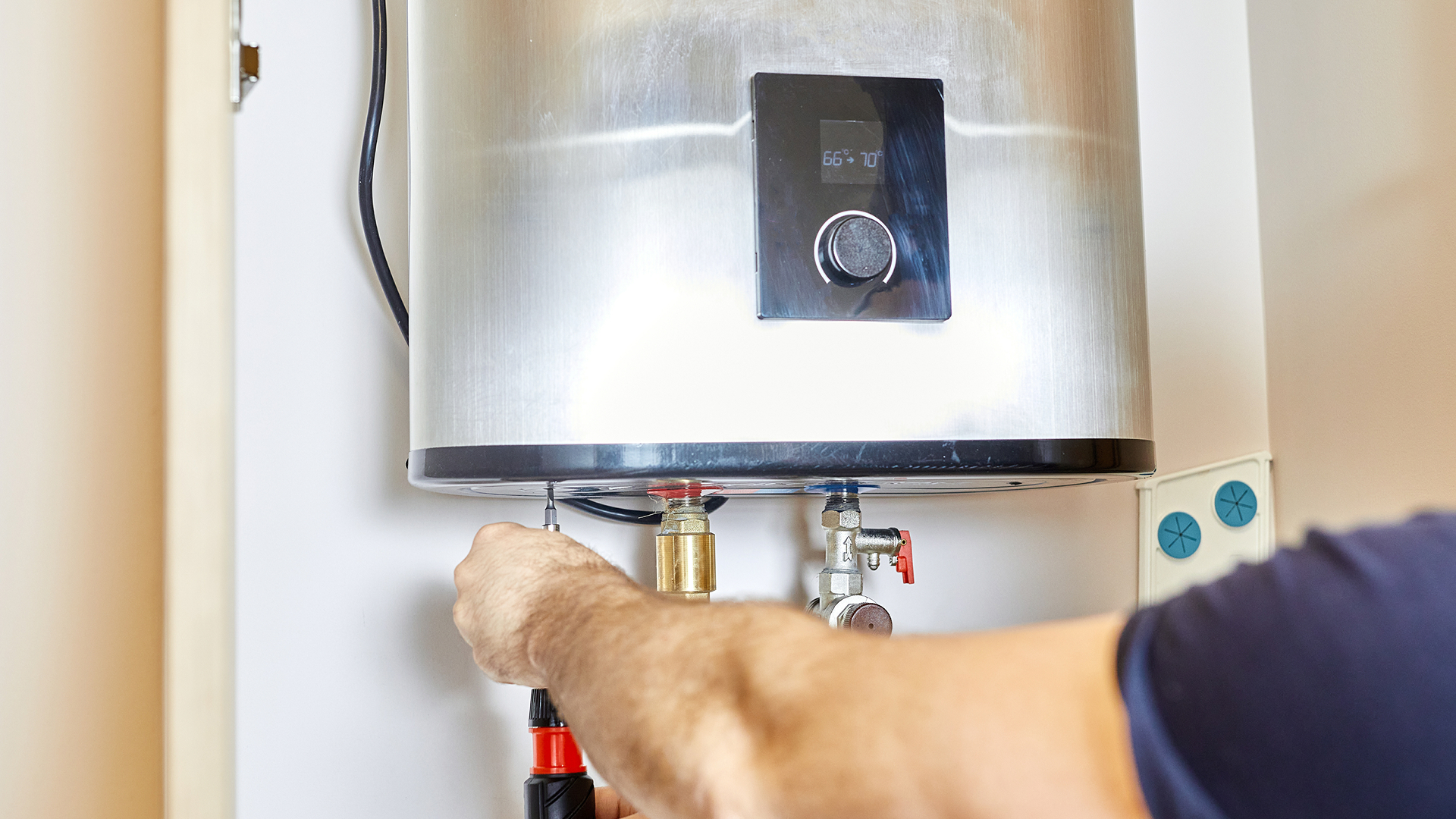
Tankless water heaters operate differently from traditional models. Instead of storing and continuously heating a large tank of water, they heat water only when you need it. When you turn on the hot water tap, a sensor detects the flow and activates the heating element to instantly warm the water. The result is a steady stream of hot water—without the standby energy loss that comes from reheating water in a storage tank. This on-demand design can lead to lower utility bills and improved energy efficiency.
Choosing Between Gas and Electric Tankless Systems
If you’re considering a tankless system, one of the first decisions you’ll face is choosing between gas and electric models. Electric tankless heaters are typically smaller, easier to install, and work well in homes that already have the right electrical setup. Gas-powered systems often deliver higher flow rates and can be more efficient for larger households, but they may require additional venting or gas line upgrades. Your home’s existing infrastructure and your family’s hot water needs will help determine which option is best.
Tankless vs. Traditional Water Heaters
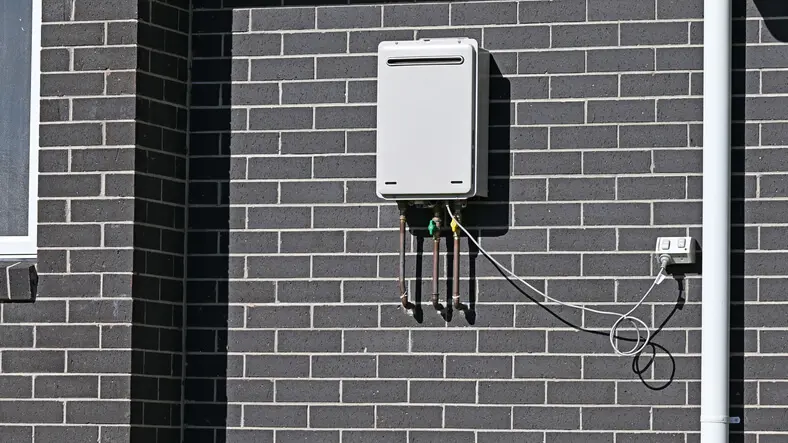
Compared to traditional storage water heaters, tankless systems offer several advantages. They save space, deliver continuous hot water, and use less energy overall. Many homeowners appreciate being able to mount them on a wall or tuck them into compact areas. However, tankless units can struggle to meet high, simultaneous demands—such as multiple showers and appliances running at once—unless multiple systems are installed. Considering your household’s usage habits will help you determine whether the trade-offs make sense for your lifestyle.
The Pros and Cons of Going Tankless
Energy Efficiency and Savings:
Because tankless water heaters only heat water as it’s needed, they can cut energy use by up to 30% compared to traditional models. This can mean noticeable savings on your monthly utility bills. You may even qualify for rebates or tax incentives when installing an energy-efficient model. However, while operating costs are lower, keep in mind that upfront installation costs are often higher than with standard systems.
Longevity and Reliability:
With proper care, a tankless water heater can last up to 20 years or more—several years longer than traditional storage heaters. Their design includes advanced safety features and digital controls that enhance performance and reliability. Regular maintenance, such as descaling and filter cleaning, helps prevent issues and ensures consistent hot water for years to come.
Installation and Upfront Costs:
The biggest hurdle for many homeowners is the initial cost. Beyond the price of the unit itself, installation can involve electrical or gas line upgrades, as well as ventilation adjustments. While this investment can feel steep at first, the system’s longevity and energy efficiency often make up for it over time.
Is Your Home a Good Fit?
Household Size and Water Usage:
Your family’s water usage is one of the most important factors in deciding whether to go tankless. Smaller households or those with predictable hot water schedules are usually a perfect match. Larger families or homes where multiple showers, laundry, and dishwashing happen simultaneously may need a higher-capacity model or multiple units to meet demand.
Local Climate and Water Temperature:
In areas with colder incoming water—such as during Northern Virginia winters—tankless systems may need to work harder to heat water to the right temperature. Choosing a properly sized unit (or pairing it with a small storage tank) ensures that your system performs efficiently even when the weather turns cold.
Home Infrastructure:
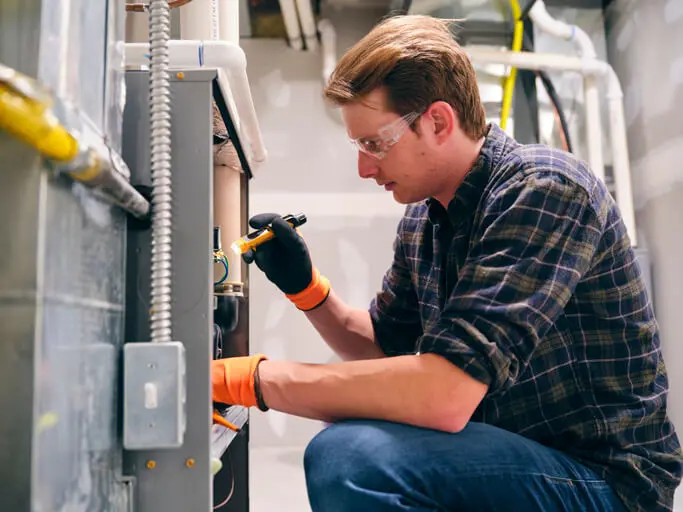
Installing a tankless water heater often requires checking your home’s existing systems. Electric units may need additional wiring, while gas systems might require upgraded venting or gas lines. A professional plumber can evaluate your setup to make sure your new system runs safely and efficiently from day one.
Making the Right Choice
Weighing Costs and Benefits:
Before deciding, it’s smart to weigh the short- and long-term costs. Calculate how much you could save on energy over the years compared to your upfront investment. If you plan to stay in your home for a while, a tankless system’s durability and lower monthly bills can make it a worthwhile upgrade.
Consulting a Professional:
A licensed plumber can help you determine the right size and model for your home’s needs. They’ll also ensure your installation meets all safety and efficiency standards. Working with a trusted professional helps avoid complications and gives you peace of mind that your new system will perform as expected.
Learning from Other Homeowners:
Reading reviews and testimonials can give you valuable insight into what living with a tankless system is really like. Hearing from others about performance, maintenance, and satisfaction can help you set realistic expectations and make a more confident choice.
Common Questions About Tankless Water Heaters
Is the Hot Water Really Instant?
Tankless systems heat water quickly, but not instantly. There’s usually a brief delay as the system activates and hot water travels through your pipes. The distance between your heater and faucets can also affect how long it takes for hot water to reach you.
What Kind of Maintenance Is Required?
To keep your tankless water heater in top shape, regular maintenance is key. This includes flushing the system to remove mineral buildup, cleaning filters, and checking for leaks or error codes. A professional inspection once a year helps prevent costly issues and keeps your warranty valid.
Are Tankless Water Heaters Safe?
Yes. Modern systems come with built-in safety features such as automatic shutoff sensors and temperature controls. As long as your unit is properly installed and maintained, it’s a safe, energy-efficient choice for your home.
If You're Considering Going Tankless, Call Reddick & Sons Inc.
A tankless water heater can be a smart investment for many homeowners, offering efficiency, reliability, and space savings. Still, every home is unique, and factors like water usage, infrastructure, and climate all play a role in determining the best fit. If you’re considering upgrading your system, the team at Reddick & Sons Inc. is here to help Northern Virginia homeowners find the right water heating solution for their homes and families.
Reddick & Sons Inc. is available by phone at (703) 348-9881 or you can always send us a message online.