
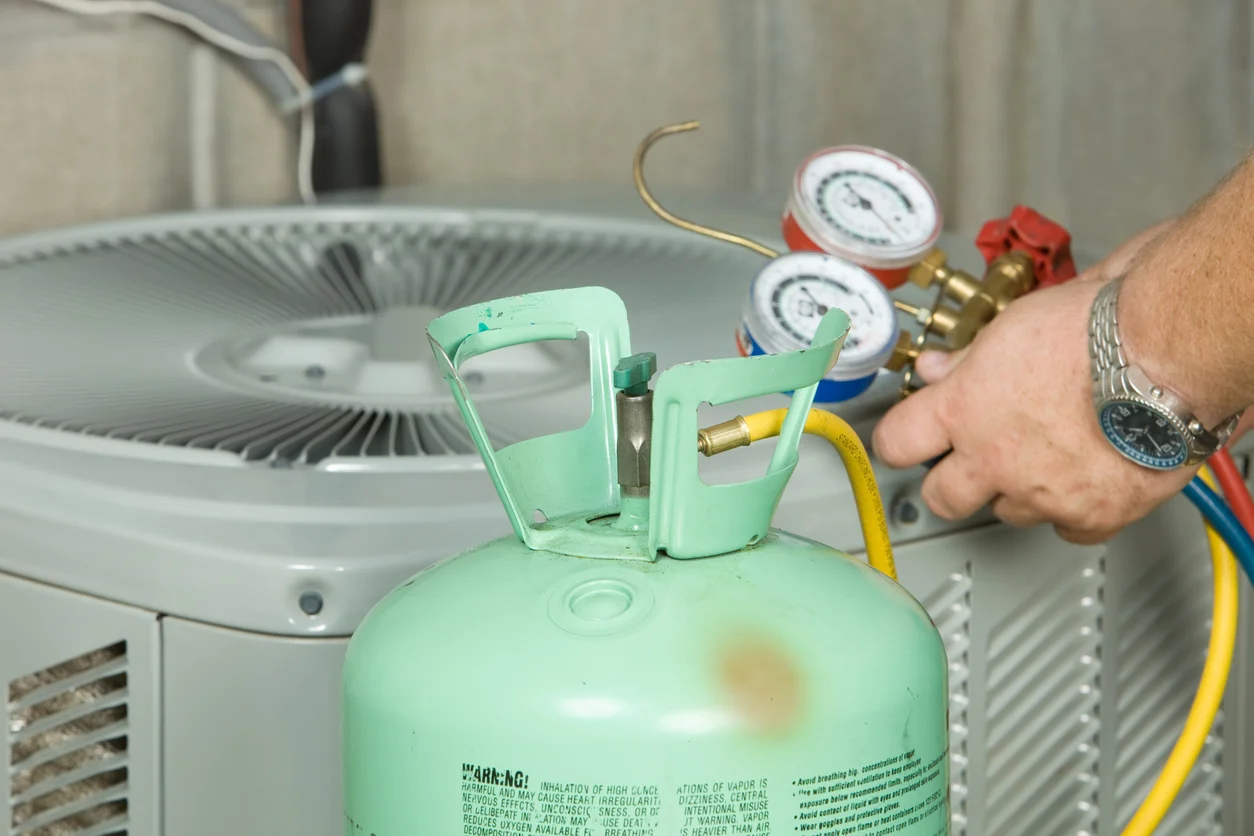
Your air conditioner relies on a special substance called refrigerant to move heat from inside your home to the outside. Unlike gas in a car, this fluid is not used up; it travels in a closed loop. If the level starts to drop, it usually means there is a crack or a hole in the copper lines. Recognizing the early signs of a leak can prevent your system from working too hard and suffering a total breakdown.
Warm Air Blowing from Supply Vents
One of the most obvious signs that something is wrong is when the air coming out of your vents is no longer cold. Refrigerant is responsible for absorbing heat from your indoor air. When the levels are low, the system cannot absorb enough heat to lower the temperature effectively. You might notice that while the fan is blowing, the house never quite reaches the setting on your thermostat.
If you feel lukewarm air, it is a good idea to check your outdoor unit. A system struggling with low refrigerant will often run much longer than usual, trying to keep up with the demand. This constant operation puts extra wear on your compressor, which is a very expensive part to fix. Taking action quickly when you notice a temperature change can help protect the rest of your cooling equipment.
Higher Monthly Utility Bills
A leak often shows up on your bank statement before you notice a physical problem with the AC unit. Because the system has to run for longer cycles to cool the home, it consumes significantly more electricity. If your usage habits haven't changed but your bills are climbing, a leak could be the culprit.
You can monitor your home's efficiency by watching for these specific patterns:
- A steady increase in energy costs compared to the same month last year.
- The outdoor unit running almost non-stop during the day.
- The thermostat showing the house is several degrees warmer than your desired setting.
Once these signs appear, the system is no longer operating within its design limits. Continuing to run an inefficient unit can lead to more than just high costs; it can lead to internal damage. A professional can find the source of the leak and restore the system to its proper efficiency levels.
Ice or Frost Buildup on the Evaporator Coil
It might seem strange, but an air conditioner that is low on refrigerant can actually freeze up. The evaporator coil inside your home needs a steady flow of refrigerant to stay at a specific temperature. When the levels drop, the coil gets too cold, causing the moisture in the air to turn into ice. This ice acts as a blanket, blocking the air from flowing through the system.
If you suspect this is happening, you can look for these physical indicators:
- Visible ice or white frost on the copper pipes connected to the indoor unit.
- A puddle of water on the floor near the furnace or air handler.
- A hissing or bubbling sound coming from the AC cabinet.
If you see ice, you should turn the system off immediately at the thermostat. Running the unit while it is frozen can cause the liquid refrigerant to flood back into the compressor, potentially ruining it. Allowing the ice to melt naturally is the first step before a technician can safely test the pressure in the lines.
Protecting Your Home Cooling Investment
Ignoring a refrigerant leak can lead to a domino effect of mechanical failures throughout your cooling system. When the fluid levels are off, the compressor has to work twice as hard while being lubricated less, which often leads to an early system "death." Catching a leak early not only saves you money on monthly power bills but also keeps your home air healthy and comfortable. It is essential to have a professional handle these chemicals, as they require specialized tools and licensing to manage safely.
If you notice any of these red flags, Reddick & Sons Inc. can provide a thorough evaluation of your equipment. We specialize in air conditioner repairs and air conditioner maintenance to ensure your system is sealed and pressurized correctly. Our technicians can perform a leak test to find the exact location of the break and provide a technical solution like brazing the line or replacing the damaged section.
If your AC is blowing warm air or freezing up, don't wait for a total breakdown. Contact our team today for a professional inspection and repair. Fill out this form or call (703) 348-9881.