
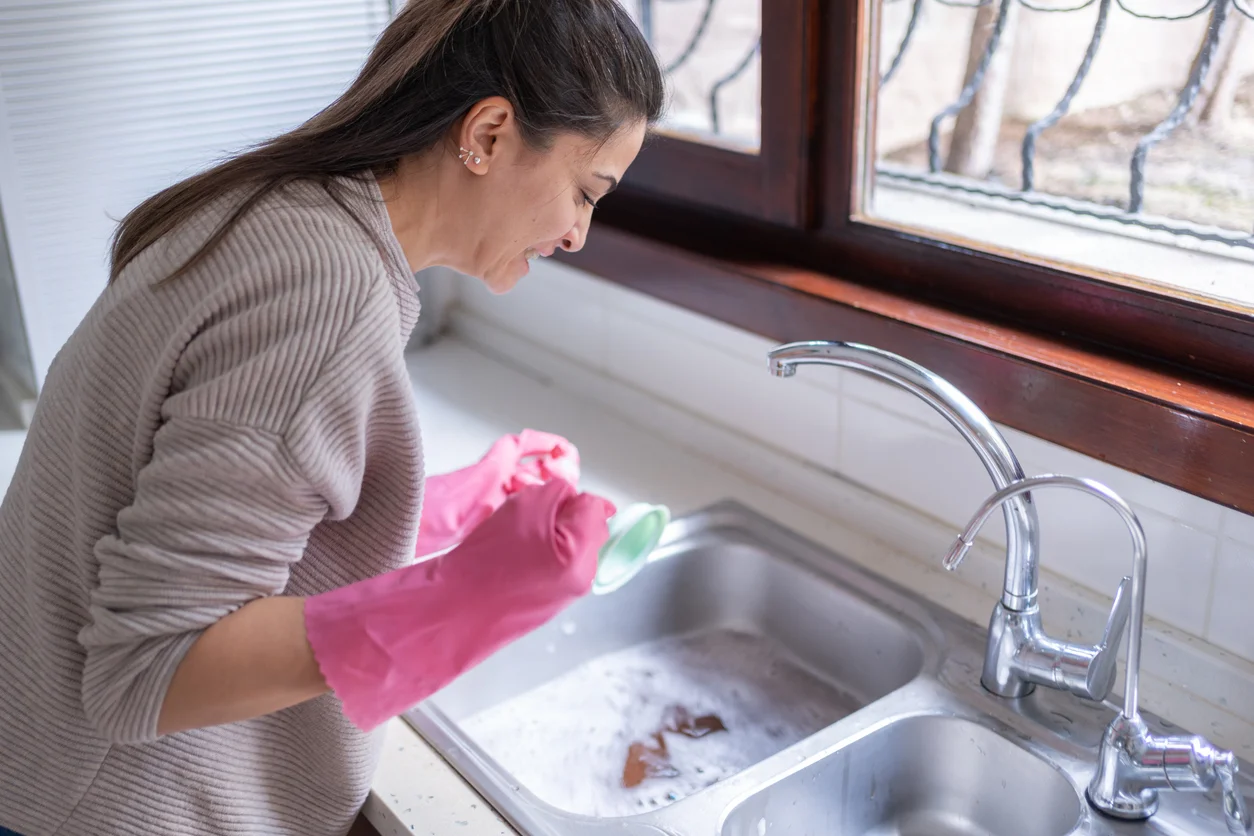
You are not the only one who looks at a slowly draining sink and thinks, "It's annoying, but it can wait." When the water eventually disappears, it's easy to assume the problem isn't serious enough to deal with today.
The trouble is that a slow drain is usually the first visible sign that something inside your plumbing system has already started to change. Blockages rarely clear themselves, and what begins as a minor inconvenience often becomes much more disruptive if left alone.
In many Northern Virginia homes, especially those with aging plumbing systems, a slow drain can point to anything from a simple buildup near the fixture to a developing problem deeper in the sewer line. Recognizing the warning signs early gives you more repair options—and often helps you avoid larger plumbing bills down the road.
Let's take a closer look at what a slow drain is actually telling you.
A Slow Drain Is a Symptom, Not the Problem
Water should move through your plumbing system smoothly and consistently. When it starts slowing down, something is already restricting that flow.
In bathrooms, the culprit is often a combination of hair, soap residue, toothpaste, and mineral deposits. Kitchen sinks typically collect grease, food particles, coffee grounds, and cooking oils that cling to the inside of the pipe. Over time, these materials create a rough surface that traps even more debris each time the drain is used.
Instead of remaining the same size, the obstruction gradually grows until water can no longer pass through efficiently.
Where the slowdown occurs also provides valuable clues.
- One slow sink, tub, or shower often points to a localized clog in that fixture's drain line.
- Several slow drains throughout the house may indicate a blockage farther down the plumbing system, possibly within the main sewer line.
- Water backing up into another fixture usually suggests the problem extends beyond a single drain and deserves prompt attention.
The important thing to remember is that slow drainage is almost never the final stage of the problem—it's usually the beginning.
How a Small Clog Turns Into a Bigger Plumbing Problem
Drain clogs rarely happen overnight. Most develop gradually, making it easy to overlook the warning signs until everyday tasks become difficult.
Stage 1: Slower Than Normal
At first, the change is subtle.
Water may linger in the sink for a few extra seconds or take longer to disappear after a shower. You might occasionally hear a faint gurgling sound, but everything still works well enough that it's easy to ignore.
At this point, the blockage is typically confined to one fixture and is often the simplest—and least expensive—to address.
Stage 2: Standing Water
As more debris accumulates, water can no longer move through the pipe efficiently.
Instead of draining slowly, the sink or tub begins holding water. Temporary DIY fixes may provide short-lived improvement, but the clog usually returns because the buildup deeper inside the pipe remains.
Mechanical drain cleaning is often needed at this stage to completely remove the obstruction rather than simply opening a small pathway through it.
Stage 3: Multiple Fixtures Start Acting Up
When more than one drain begins slowing down, the issue may no longer be isolated.
You might notice:
- Toilets gurgling when the shower drains
- Water appearing in another fixture after running the washing machine
- Multiple sinks draining slowly at the same time
These symptoms often point toward a restriction in the home's main sewer line rather than an individual drain.
Because every drain in the house connects to this larger pipe, a blockage there affects multiple plumbing fixtures at once.
Stage 4: Sewage Backup
If the obstruction continues growing, wastewater eventually has nowhere else to go.
Instead of flowing away from the home, it can back up through the lowest drains—such as basement floor drains, showers, or lower-level bathrooms.
At this stage, what started as a slow drain has become a plumbing emergency involving contaminated water, property damage, and considerably more extensive repairs.
The Damage You Don't See While the Drain Gets Worse
The standing water in your sink is only part of the story.
Much of the damage caused by a growing blockage happens inside walls, beneath floors, or underground, where homeowners rarely notice it until secondary problems begin appearing.
Extra Stress on Older Plumbing
As water struggles to move through a partially blocked pipe, pressure builds behind the obstruction.
Many homes throughout Northern Virginia were built decades ago and still contain original cast iron, clay, or Orangeburg sewer piping. While these materials served homeowners well for many years, age naturally makes them more vulnerable to cracking, corrosion, settling, and root intrusion.
Continued pressure from recurring blockages can place additional strain on already aging plumbing components.
According to the American Society of Civil Engineers (ASCE), much of America's underground water infrastructure has exceeded its intended service life, making proactive maintenance increasingly important for older properties.
Lingering Odors and Drain Flies
Organic buildup trapped inside pipes stays damp and provides an ideal environment for bacteria to multiply.
That's often why homeowners begin noticing unpleasant odors near sinks, tubs, or floor drains that regular household cleaners don't eliminate.
The same residue can also attract drain flies, which lay eggs inside the slimy film coating the pipe walls. Eliminating the insects without removing the buildup rarely solves the problem for long.
Hidden Water Damage
Water naturally follows the path of least resistance.
As pressure increases behind a clog, leaks may develop around weakened joints or older sections of pipe. Small amounts of escaping water can soak into cabinets, drywall, flooring, or subfloors without immediately becoming visible.
By the time discoloration, warped materials, or mold appear, the plumbing issue often extends beyond the drain itself.
Why Chemical Drain Cleaners Usually Aren't the Answer
Reaching for a bottle of drain cleaner is understandable. They're inexpensive, widely available, and promise quick results.
Unfortunately, they rarely address what's actually causing a recurring slow drain.
Most chemical cleaners only dissolve material close to the drain opening. If the blockage sits farther down the branch line—or inside the main sewer line—the product may never reach it in a meaningful concentration.
Repeated use can also create additional concerns, especially in older plumbing systems.
Some drain cleaners generate significant heat or contain highly corrosive ingredients that may accelerate wear on aging metal pipes or weaken certain plumbing materials over time.
Professional drain cleaning approaches the problem differently.
Rather than trying to dissolve part of the clog, licensed plumbers can identify its exact location using specialized equipment. Depending on the situation, they may recommend mechanical drain cleaning, hydro jetting, or a sewer camera inspection to determine whether buildup, tree roots, pipe damage, or another issue is restricting flow.
The goal isn't simply to make water drain faster today—it's to understand why the slowdown happened in the first place so it doesn't keep returning.
A Northern Virginia Consideration: Older Plumbing Can Change the Picture
Not every slow drain points to a serious plumbing problem, but the age of your home can influence what's happening behind the scenes.
Many homes throughout Fairfax, Prince William, and Loudoun counties were built between the 1950s and 1980s. While these homes have plenty of character, many still rely on original sewer laterals made from materials like cast iron, clay, or Orangeburg pipe. Over time, these pipes become more susceptible to corrosion, shifting soil, cracks, and root intrusion.
Northern Virginia's clay-heavy soil can also contribute to plumbing issues. During wet periods, expanding soil places pressure on underground pipes, while mature trees common in established neighborhoods naturally seek moisture, allowing roots to enter even tiny openings in aging sewer lines.
That doesn't mean every slow drain signals a failing sewer line, but it does make early evaluation more worthwhile—especially if your home is older or you've experienced recurring drain problems.
What Should You Do When You Notice a Slow Drain?
A slow drain isn't something you need to panic over, but it also isn't something to ignore indefinitely. Taking a few practical steps early can often keep a minor inconvenience from becoming a much larger repair.
Start With the Simple Things
If the drain has only recently slowed down, begin by checking for visible debris.
For bathroom sinks and showers, removing accumulated hair from the drain cover or cleaning the pop-up stopper may improve drainage. In the kitchen, make sure food scraps haven't collected near the disposal or sink basket.
If the drain returns to normal after removing visible debris, continue monitoring it over the next several days.
Avoid Repeated DIY Chemical Treatments
If the problem keeps returning, resist the temptation to pour bottle after bottle of drain cleaner into the pipe.
Recurring clogs usually indicate buildup farther inside the plumbing system that chemicals simply can't remove. Multiple applications often delay proper diagnosis rather than solving the problem.
Pay Attention to Changes
Certain warning signs suggest it's time to have the drain professionally evaluated:
- More than one drain is slowing down.
- Drains make gurgling noises after using water.
- Sewer odors begin appearing indoors.
- Water backs up into another plumbing fixture.
- The same drain repeatedly clogs after temporary fixes.
These symptoms often indicate that the restriction extends beyond a single sink or shower drain.
Build Habits That Help Prevent Future Clogs
No plumbing system is maintenance-free, but a few simple habits can reduce buildup over time.
- Dispose of grease in the trash instead of the sink.
- Use drain strainers in showers and bathroom sinks.
- Avoid flushing wipes, paper towels, or hygiene products.
- Schedule periodic drain inspections if your home has older plumbing or mature trees nearby.
Preventive maintenance won't stop every plumbing issue, but it can significantly reduce the likelihood of recurring clogs.
When Professional Drain Cleaning Makes Sense
There comes a point when clearing a clog with household tools becomes more frustrating than productive.
Professional drain cleaning isn't just about restoring flow—it helps identify what's causing the problem before it leads to pipe damage or sewer backups.
Depending on the situation, a plumber may recommend:
- Mechanical drain snaking to remove localized blockages
- Hydro jetting to clean the buildup from the inside of the pipe walls
- Sewer camera inspections to locate deeper obstructions, root intrusion, or damaged piping
These services allow repairs to be based on the actual condition of the plumbing instead of guesswork.
Don't Let a Small Drain Problem Become a Bigger Repair
A slow drain rarely improves on its own.
In many cases, it's the first visible sign that debris is building inside your plumbing system or that a larger issue is beginning to develop. Addressing it while it's still manageable is often simpler, less disruptive, and less expensive than waiting until multiple drains stop working or sewage backs up into your home.
If your drains continue slowing down or you're noticing recurring clogs, professional drain cleaning and sewer line evaluation can help identify the cause before it becomes a major plumbing repair.
Reddick & Sons Inc. provides professional drain cleaning and sewer line services throughout Northern Virginia.
If you're ready to find out what's causing your slow drain, call (703) 348-9881 or schedule your plumbing inspection today through our online contact form.