When it comes to keeping your home comfortable through the seasons, choosing the right heating system is key. Both heat pumps and furnaces can deliver reliable warmth, but each operates differently, offers unique benefits, and fits best in certain types of homes and climates.
Understanding how these systems work—and what factors affect their performance—can help homeowners make a smart, long-term investment in comfort and efficiency.
Heat Pump Mechanics and Functionality
Heat pumps are ingenious systems that move heat rather than create it, making them a highly energy-efficient option for year-round comfort. Much like a refrigerator in reverse, they transfer heat from the outside air, ground, or water into your home during winter—and reverse the process in summer to provide cooling.
Types of heat pumps include:
- Air-source heat pumps: The most common and cost-effective option for moderate climates.
- Ground-source (geothermal) heat pumps: Use stable underground temperatures for higher efficiency and reliability.
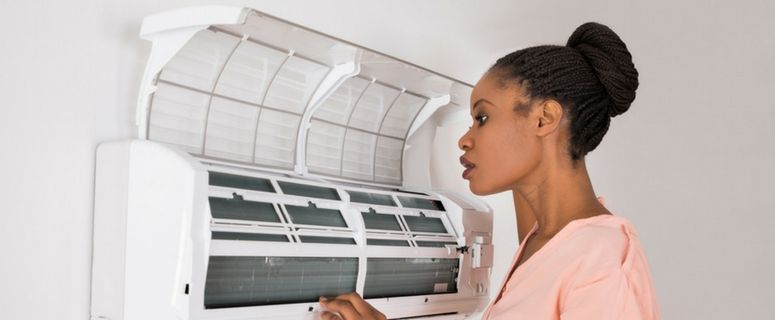
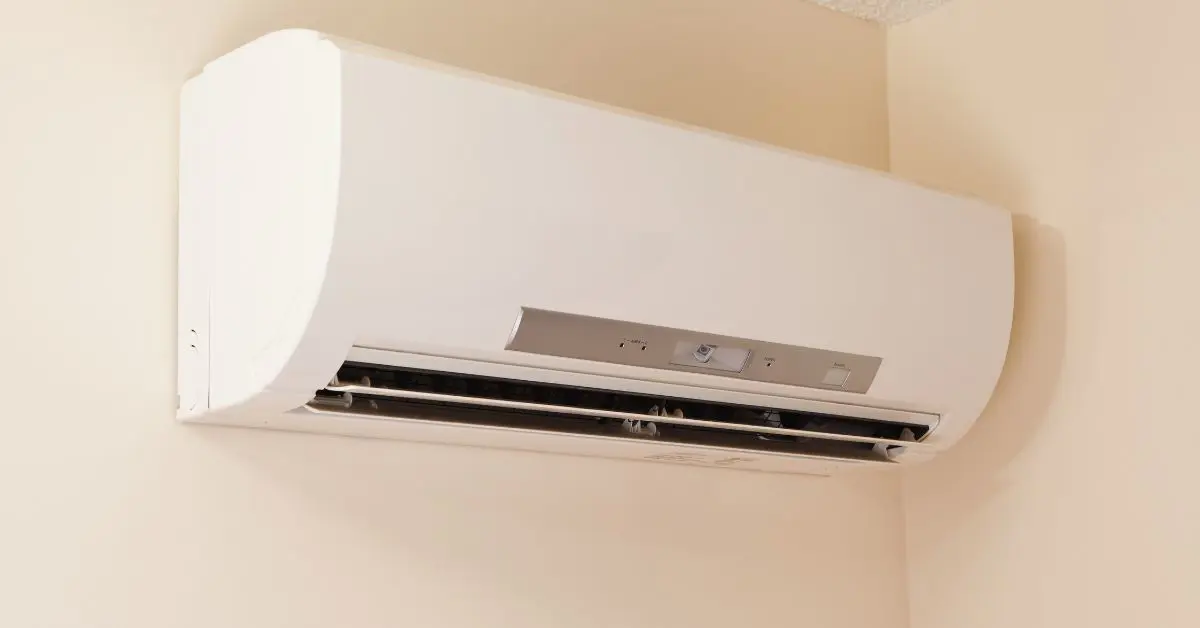
- Ductless mini-split systems: Great for homes without ductwork or for supplementing specific areas.
Each system offers unique benefits, and selecting the right one depends on your home’s layout, energy goals, and local climate.
Furnace Mechanics and Functionality
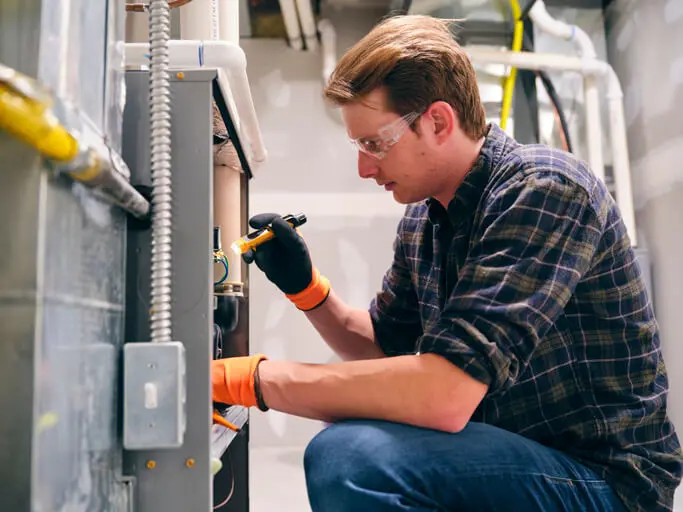
Furnaces, by contrast, generate heat through combustion or electric resistance. They burn fuel—such as natural gas, propane, or oil—or use electricity to produce warmth that’s distributed through ducts or radiators.
Common furnace types:
- Natural gas furnaces: Efficient and affordable where gas lines are available.
- Oil and propane furnaces: Great alternatives for rural areas without natural gas access.
- Electric furnaces: Easy to install and maintain, though generally more expensive to run.
Furnaces are powerful, reliable heating options, especially in colder climates where strong, consistent heat is essential.
Energy Efficiency of Heat Pumps vs. Furnaces
When comparing efficiency, both systems shine—but in different ways.
Heat pumps:
- Rated by SEER (Seasonal Energy Efficiency Ratio) and HSPF (Heating Seasonal Performance Factor).
- Typically more efficient because they transfer heat instead of generating it.
- Offer lower operational costs, especially in mild or moderate climates.
Furnaces:
- Rated by AFUE (Annual Fuel Utilization Efficiency).
- High-efficiency models can exceed 95% AFUE, converting nearly all fuel into usable heat.
- Efficiency depends on the unit’s age, fuel type, and maintenance.
While heat pumps can provide greater long-term energy savings, furnaces remain a strong option for regions with long, cold winters.
Installation and Operational Costs
Cost is a major factor in choosing the right heating system.
Heat pumps:
- Tend to have higher upfront installation costs (especially geothermal systems).
- Offer lower monthly utility bills due to superior efficiency.
- Require regular maintenance for both heating and cooling functions.
Furnaces:
- Usually less expensive to install initially.
- Can cost more to operate depending on local fuel prices.
- May need fewer service calls but can have higher repair costs when issues occur.
Looking at long-term costs—including maintenance, energy use, and lifespan—provides the clearest financial picture.
Climate Impact on Heat Pump Performance
Heat pumps perform best in mild to moderate climates, where temperatures don’t drop too low. In colder weather, air-source heat pumps may struggle to extract enough heat from the air, though newer models have improved cold-weather performance.
For optimal results:
- Add supplemental electric coils or a dual-fuel (hybrid) system combining a furnace and heat pump.
- Consider ground-source heat pumps, which maintain efficiency using stable underground temperatures.
Homeowners in regions like Northern Virginia’s mild Mid-Atlantic climate can take full advantage of a heat pump’s efficiency and versatility year-round.
Furnace Performance in Different Climates
Furnaces excel in colder regions where maintaining warmth is critical. They produce consistent, powerful heat regardless of outdoor temperatures.
However, local conditions—such as humidity and insulation—can affect efficiency. In humid or drafty homes, sealing leaks and improving insulation helps retain heat and control costs.
Advantages of furnaces in cold climates:
- Reliable high heat output
- Fast temperature recovery
- Ideal for homes with existing duct systems
By considering local weather patterns, homeowners can determine whether the dependable strength of a furnace is worth the potential fuel costs.
Environmental Benefits of Heat Pumps
If sustainability is a priority, heat pumps stand out for their low carbon footprint. Because they move heat instead of burning fuel, they consume less energy and produce fewer greenhouse gas emissions.
Key eco-friendly benefits:
- Reduced fossil fuel use
- Compatibility with solar and renewable energy systems
- Lower overall household carbon emissions
For eco-conscious homeowners, a heat pump offers an environmentally responsible way to stay comfortable all year long.
Furnace Environmental Considerations
Furnaces, especially those using natural gas or oil, rely on combustion—meaning they emit carbon dioxide and other greenhouse gases. However, technology is improving rapidly.
Modern furnace innovations include:
- High-efficiency models that burn cleaner and waste less energy
- Compatibility with biofuels or hybrid systems
- Reduced emissions through better combustion controls
While not as green as heat pumps, today’s furnaces are far more eco-friendly than older models, helping homeowners reduce their environmental impact without sacrificing warmth.
Home Size, Insulation, and Ductwork
Your home’s structure plays a major role in determining which system will work best.
Heat pumps are ideal for:
Smaller or mid-sized homes
Houses with good insulation and air sealing
Properties with updated ductwork or zoned systems
Furnaces are better suited for:
- Larger homes in colder regions
- Older houses with existing gas lines
- Buildings where rapid, powerful heating is needed
Matching your system to your home’s design ensures optimal comfort and efficiency.
Lifestyle and Personal Preferences
Beyond technical factors, comfort and lifestyle also matter.
Heat pumps appeal to homeowners who value:
- Quiet operation
- Year-round heating and cooling from one system
- Smart home compatibility and programmable controls
Furnaces appeal to homeowners who prefer:
- Strong, fast heat output
- Simpler system operation
- Proven performance in very cold weather
Your comfort priorities and daily habits can help determine which system will best fit your household.
Long-Term Planning and Energy Goals
When planning for the future, consider how energy costs and environmental standards may evolve.
Homeowners focused on sustainability may prefer heat pumps for their adaptability and compatibility with renewable energy.
Those seeking proven cold-weather reliability may opt for a high-efficiency furnace.
Whichever path you choose, aligning your decision with long-term energy goals will provide lasting comfort and financial benefits.
Making an Informed Decision with Reddick & Sons Inc.
Choosing between a heat pump and a furnace isn’t one-size-fits-all. Whether you're prioritizing cost-effectiveness, climate adaptability, or sustainability, the knowledge and expertise of Reddick & Sons Inc. can help you make the best choice. Contact our skilled team today for a professional consultation and take a step towards a more comfortable and energy-efficient home.
Call Reddick & Sons Inc. now at (703) 348-9881 or reach out online.