Living in Prince William County means enjoying beautiful, tree-lined neighborhoods—but those same trees can pose hidden risks to your home’s plumbing. Many homeowners in Northern Virginia face sewer problems caused by tree roots, which often go unnoticed until slow drains, sewage backups, or costly repairs disrupt daily life. If you want to protect your home and stay ahead of tree root sewer line issues, understanding the risk, warning signs, and solutions specific to our community makes all the difference.
Why Do Tree Roots Invade Sewer Lines in Prince William County?
Tree roots gravitate toward the moisture, nutrients, and warmth found near sewer lines, especially in older neighborhoods throughout Prince William County. Many homes in the area have sewer pipes made of clay, cast iron, or other porous materials that can develop small cracks or loose joints as they age. Even minor defects provide enough space for root tips to slip in and start expanding. Over time, the roots grow thicker, eventually creating blockages that slow drainage and cause pipes to crack or fail completely.
The local mix of clay-rich soil, shifting weather patterns, and mature landscaping all contribute to this problem. Clay soils retain water and create an ideal environment for roots to spread beneath the surface. During dry periods, these same roots become even more aggressive in their search for water, with sewer lines offering a consistent, underground supply. Our region’s climate—marked by heavy rains followed by stretches of drought—encourages powerful root growth that can put added pressure on aging pipes, especially in established developments.
Tree root intrusion is not just an abstract plumbing concern; it's a real, growing issue for many families in Prince William County. As our trees grow larger and our infrastructure gets older, it becomes more likely for roots to breach sewer pipes and cause interruptions that only get worse with time. Proactive prevention and early detection are key to keeping your pipes clear and your home running smoothly.
Which Tree Species in Prince William County Pose the Greatest Risk to Sewer Lines?
Different tree species have roots that behave in unique ways, but several common trees in Prince William County are well-known for their aggressive underground growth. Willow trees are among the most notorious, as their roots are fast-growing and have a proven history of breaking into sewer lines. Silver and Norway maples, poplars, sycamores, sweetgums, and American elms also have extensive root systems that can quickly reach buried pipes—sometimes stretching two to three times the width of the tree’s canopy.
Even smaller or decorative trees such as certain types of oak and ash can become problematic if they're planted too close to sewer connections. Any tree known for seeking water aggressively puts your pipes at risk, especially if they're within 20 to 30 feet of underground lines. Fast-growing species typically cause more trouble in a shorter time, but even mature evergreens may eventually create issues if they’re situated in the wrong spot.
Before planting new trees, always consider their full, mature size and root spread. Local experts recommend planting water-loving or rapid-growing species at least 40 to 50 feet from any known or mapped sewer lines. For homeowners with existing shade trees, schedule regular inspections and take special care if your property features willows, silver maples, or other high-risk varieties. The longer these trees remain in place without preventive action, the higher your risk of a sewer line problem in the future.
What Are the Most Common Signs of Tree Root Blockages in Sewer Lines?
Knowing how to recognize the early warning signs of tree root intrusion can help you avoid major plumbing emergencies. One of the most frequent indicators is slow drainage in sinks, tubs, or toilets, particularly if the problem affects more than one fixture at a time. If routine plunging or drain cleaners don’t resolve the issue, there could be a deeper blockage further down the main sewer line. Some homeowners also notice unusual gurgling sounds coming from pipes, which signal trapped air caused by obstructions gathering in the line.
Another telltale sign involves foul odors coming up from drains, especially after periods of heavy rain or intense water use. Sewage smells that persist or appear suddenly are red flags, as they often mean sewer gases are getting trapped by a blockage. Outdoors, patches of especially lush, green grass or soggy spots along your yard’s sewer path may indicate a leaking pipe fertilizing the soil directly above it—this is a classic symptom caused by roots damaging a line below.
Persistent, recurring plumbing problems nearly always point toward a larger issue. If you find yourself needing frequent service calls to clear “normal” clogs, or experience backups shortly after cleaning your pipes, you could be dealing with an established root problem. Keeping track of when, where, and how issues occur helps determine if roots are slowly taking over your pipes and signals when it’s time for a more thorough inspection.
How Can You Diagnose Tree Root Sewer Line Problems in Prince William County?
Homeowners have a few options for diagnosing whether tree roots are behind persistent sewer line troubles. Start with a close look at your plumbing performance: does the problem involve isolated fixtures, or do multiple drains slow down or back up together? Localized problems often mean a single drain clog, while widespread issues typically suggest a blockage deep in the main sewer line—a scenario commonly caused by roots.
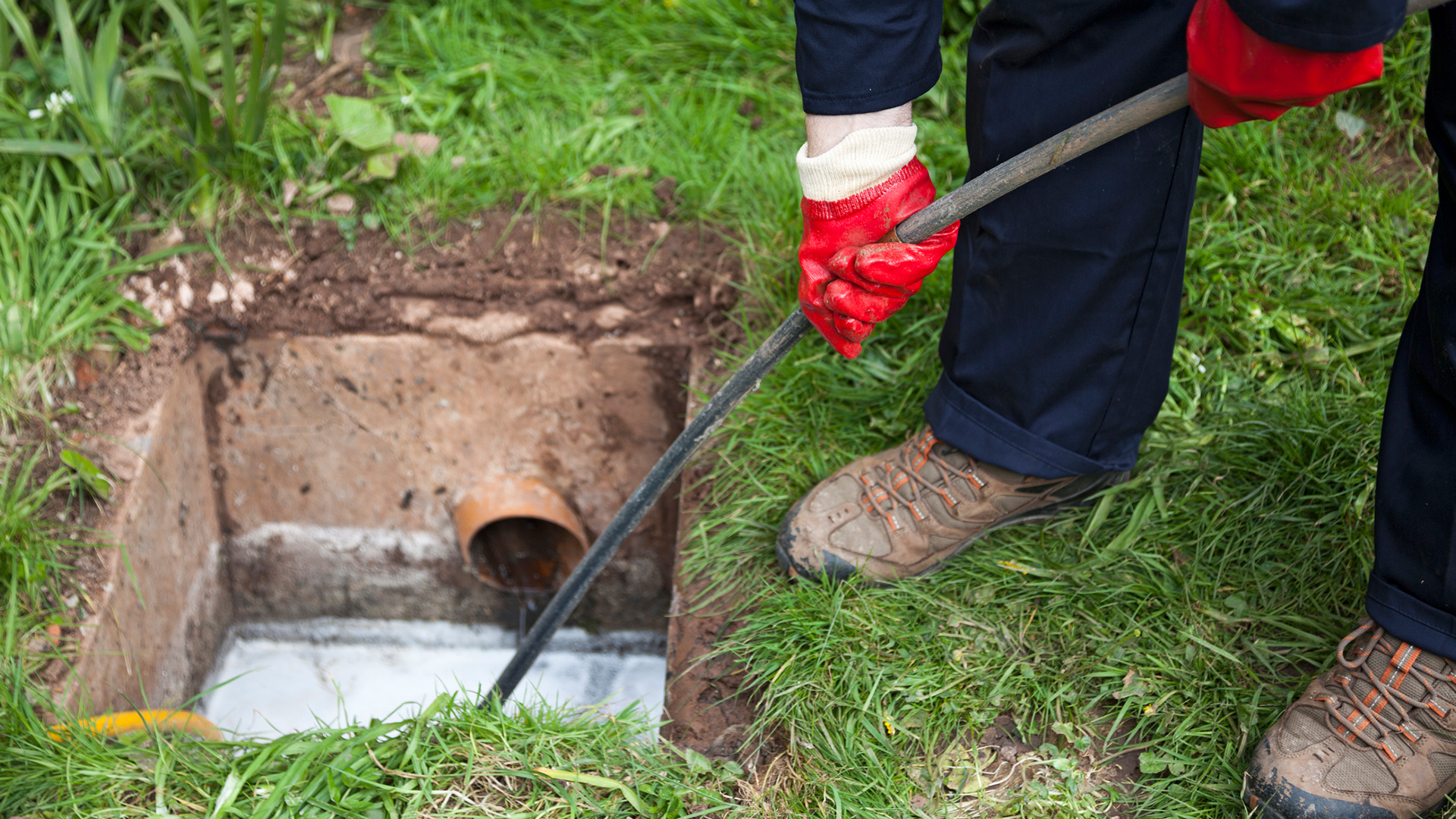
For a more accurate diagnosis, video sewer camera inspections provide a clear view inside your pipes. These inspections involve inserting a camera through a cleanout opening, which lets you and the technician see exactly where roots have breached the line or where pipe joints are separated. Leading providers in Prince William County, including Reddick & Sons Inc., offer comprehensive camera inspections as part of the root issue diagnostic process.
Avoid using harsh chemicals marketed as root killers, as they rarely remove significant growth and can damage older pipes or harm the surrounding soil. Instead, collect details about your drainage problems, including timing and frequency, and let a professional analyze the footage from a camera inspection. This thorough approach ensures you get a targeted, cost-effective solution tailored to your property, rather than a temporary fix that leaves the underlying issue untouched.
What Happens If You Ignore Tree Root Sewer Blockages?
Leaving tree roots unchecked in your sewer line can escalate from inconvenient to disastrous. As roots thicken and multiply inside pipes, they trap waste and debris, steadily reducing flow until a full blockage occurs. Homeowners often learn about the problem only after raw sewage backs up into toilets, bathtubs, or even the basement—posing both health and property risks. Cleaning up sewage water requires special care, and repairs can skyrocket in cost if flooring, furniture, or wallboard needs to be torn out and replaced.
The physical damage goes beyond clogs. Tree roots gradually force pipe joints apart, break brittle lines, and cause cracks that leak wastewater into the surrounding soil. These leaks can erode your yard, create sinkholes, or even affect your home's foundation if left untreated. In severe situations, repairs may involve replacing large sections of pipe or the entire sewer line, resulting in major expense and yard disruption.
Cost-wise, a minor root blockage or maintenance cleaning usually runs a few hundred dollars in Prince William County. Letting the issue go, however, can quickly escalate to several thousand dollars for pipe replacement or trenchless repair. The financial and personal hassle increases the longer roots remain undisturbed. Early detection and professional intervention make all the difference in keeping sewer repairs manageable and avoiding major home damage.
Does Homeowner’s Insurance or the County Cover Tree Root Sewer Damage in Prince William County?
Many homeowners wonder whether their insurance or local utility will pay for root-related sewer repairs. The short answer: standard homeowner's insurance typically does not cover damage that results from gradual wear and tear—like tree root intrusion—because it is considered a maintenance issue, not a sudden, accidental loss. Most policies only pay out for unexpected events, such as a sudden pipe burst, leaving slow-building root problems your responsibility.
In most of Prince William County, homeowners are responsible for the lateral sewer pipe from the house to the main city or county water line at the street. Damage or blockages in this stretch, including those caused by roots, usually fall on the property owner, not the public utility. The Prince William Service Authority provides clear diagrams and documentation showing which sections of pipe homeowners must maintain and repair at their own expense.
You can request additional sewer line coverage as a policy endorsement from your insurance provider or buy a third-party utility line warranty. If you choose to go this route, double-check coverage details—many plans have strict limits on root-related repairs or replacements. Always contact your insurer and utility for clarification before a problem occurs so you know where you stand if your pipes need attention.
How Can You Prevent Tree Roots from Damaging Your Sewer Line?
Prevention requires a smart approach to landscaping, careful planning, and regular sewer maintenance. When planting new trees, choose species known for less invasive root systems and plant them as far as possible from sewer routes. Consult with a certified arborist, the Prince William County office, or your builder to map out underground utilities and select the right location for new shade trees or ornamentals.
If you have large, established trees near your sewer line, consider installing physical root barriers. These tough materials are buried vertically—creating a shield between the tree’s main roots and buried pipes—and can help slow the advance of invasive roots. Root barriers don't offer absolute protection, but they dilute pressure on older sewer lines, buying valuable time before problems develop. If you're renovating or replacing plumbing, upgrading to seamless PVC or modern materials can also help since fewer joints and cracks mean fewer entry points for future growth.
Ongoing maintenance is just as important. Schedule yearly or biannual sewer camera inspections—particularly if your home is older, or you've had issues before. Some plumbing companies, including Reddick & Sons Inc., provide preventive treatments such as mechanical root removal or low-impact chemical applications that help keep lines clear. Keeping accurate records of inspections, repairs, and landscaping changes ensures you're alert to new risks as your yard evolves.
What Trenchless Repair Solutions Are Available for Root-Damaged Sewer Lines?
Most homeowners dread the idea of digging up the yard to fix sewer issues. Fortunately, trenchless sewer repair options offer effective, less disruptive solutions when root intrusion damages pipes in Prince William County. Two leading methods are pipe lining and pipe bursting—each suited to different levels of pipe damage and accessibility.
Pipe lining involves threading a flexible resin-coated liner through the damaged sewer, then curing it in place to form a seamless new pipe within the existing structure. This process seals out future roots and restores pipe function without digging a long trench through your yard. Pipe bursting, on the other hand, uses a strong pulling rod and bursting head to shatter the old line, pulling a brand new, durable pipe into its place through only two small access points.
Trenchless repairs often save time and landscaping costs compared to traditional digging methods, although the upfront price can be higher than basic mechanical cleaning or spot repairs. Not all lines qualify for trenchless solutions—badly collapsed or completely inaccessible pipes may still need excavation. A thorough camera inspection and honest assessment from a trustworthy professional will help you determine whether trenchless options are right for your property and your budget.
When Should You Call a Licensed Plumber for Tree Root Sewer Line Issues?
If you experience regular backups, slow draining in multiple fixtures, or odd noises and smells that persist no matter what you try, it’s time to consult a licensed plumber who knows Prince William County sewer systems. Homeowners who attempt repeated DIY cleaning with snakes or harsh chemicals often see temporary results, while stubborn tree roots continue to cause deeper pipe damage. Over time, these cycles increase the risk of emergencies and higher repair costs.
Licensed plumbers use specialized diagnostics, like camera inspections and high-pressure hydro jetting, to find and clear root blockages efficiently. At Reddick & Sons Inc., our technicians are cross-trained in plumbing, electrical, and HVAC, and our operational systems let us dispatch help quickly—often the same day—when emergencies strike. Our commitment to ongoing training means you can count on cutting-edge solutions, not just quick fixes.
Work with a local provider who values clear explanations and transparent pricing. You deserve to understand your options without pressure or scare tactics. With hundreds of five-star reviews and deep community roots, our whole-home solutions ensure peace of mind—backed by real people who treat customers with respect and stand behind the quality of their work long after the job is done.
How to Select the Right Sewer Line Plumber in Prince William County
The right plumber can make a world of difference when you’re dealing with a plumbing emergency or root problem. Focus on companies with strong reputations—look for lots of positive customer reviews on platforms like Google, Yelp, and Nextdoor, as well as recognition from respected industry organizations. Awards for service, such as those earned by our leadership at Reddick & Sons Inc., show a proven track record of satisfied customers and high-quality workmanship.
Check that the plumbing company holds active licenses in Virginia and Prince William County, and ask how their technicians keep their skills up to date. Providers who maintain dedicated training facilities or apprentice programs often deliver better, more reliable service. A willingness to educate homeowners, explain repairs clearly, and offer detailed upfront estimates indicates a customer-first approach.
Family-owned businesses bring added value, fostering a culture of care that’s often missing from national chains. Features like photo notifications before technicians arrive, thorough property clean-up, and respectful communication set the best plumbers apart. Before choosing, ask about emergency response times, transparent pricing, and follow-up support to ensure you’re choosing a team that will treat your home with the care it deserves.
Building a Proactive Sewer Line Maintenance Plan in Prince William County
A long-term maintenance plan reduces your risk of expensive repairs and keeps your home’s plumbing in top shape. Start by scheduling annual sewer camera inspections, especially if your house is older or has established trees nearby. A clear, documented record of inspections, repairs, and major yard work helps your plumber anticipate future problems and gives you leverage with insurance or warranties if you ever need to file a claim.
Consider arranging for routine cleaning or scheduled root control services if you’ve had previous blockages or live in a high-risk area. Reliable plumbing teams can perform preventive hydro jetting or use mechanical tools to cut back new root growth before it clogs your line. Combine this approach with regular reviews of your insurance and utility coverage so you’re not caught off guard if a problem does occur.
Stay connected with updates from your local utility or the Prince William Service Authority—sometimes responsibilities shift or new programs become available for homeowners. Don’t wait for a complete blockage or a yard collapse: taking simple steps each year protects your property and prevents urgent calls for sewer repair in the future.
Next Steps for Prince William County Homeowners Worried About Tree Root Intrusion
If you’re concerned about tree roots in your sewer line, acting early helps you avoid costly repairs and major headaches. Take these practical steps to protect your home:
- Track plumbing symptoms such as slow drains, recurring backups, or unusual odors—and record which fixtures are affected and when.
- Avoid chemical drain openers and aggressive DIY cleaning if you suspect root intrusion, as these can worsen pipe conditions or only provide short-term relief.
- Arrange a professional sewer camera inspection to accurately diagnose deep blockages and find out exactly where roots have entered your line.
- Consult with a trusted, community-based provider like Reddick & Sons Inc. for honest advice and a full range of repair and prevention options tailored to your home and budget.
- Review your insurance and utility responsibilities now to understand what costs you might bear if major work is needed.
- Consider planting new trees wisely and committing to regular maintenance if you have mature, water-seeking species near your sewer lines.
- Set up annual or biannual inspections and record every repair or service to create a proactive, long-term maintenance plan.
With the right information and a dependable team on your side, you can protect your home from root intrusion and keep your plumbing running smoothly. If you need fast, clear answers or professional service for your plumbing, electrical, or HVAC needs, reach out to Reddick & Sons Inc. at (703) 348-9881. We’re here to offer respectful, transparent support whenever you need it.