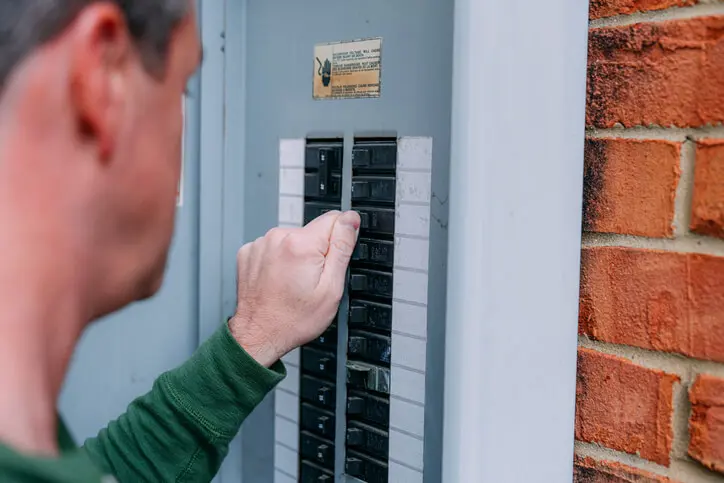
Few things are more frustrating than your power cutting out mid-task—whether you’re cooking dinner or catching up on laundry. If your circuit breakers keep tripping, it’s more than just an inconvenience; it’s your home’s way of signaling that something’s not right. Understanding why it happens and how to troubleshoot the issue can help keep your household running safely and smoothly.
Common Reasons Circuit Breakers Trip
Overloaded Circuits:
An overloaded circuit is one of the top reasons breakers trip. This happens when too many devices draw power from the same circuit, exceeding its capacity. You might notice dimming lights, buzzing outlets, or appliances running weakly—all signs of an overloaded line. To prevent this, spread high-wattage appliances across different circuits or unplug devices you’re not actively using.
Short Circuits:
A short circuit occurs when a hot wire touches a neutral wire, creating a low-resistance path that causes a sudden surge of current. This can generate heat, sparks, or even smoke if not addressed quickly. Common causes include damaged wiring, loose connections, or faulty appliances. Watch for signs like a burning smell or discolored outlets, and if you suspect a short, turn off power and call a professional.
Ground Faults:
Ground faults occur when electrical current strays from its intended path and flows directly to the ground. These are especially common in damp areas like kitchens, bathrooms, or outdoor spaces. Ground fault circuit interrupters (GFCIs) are designed to shut off power when this happens, protecting you from electric shock. If GFCIs are tripping frequently, it’s a sign they may need replacement or that moisture or damaged wiring is at play.
Troubleshooting Frequent Breaker Trips
Check Electrical Appliances:
Faulty or overused appliances can cause breakers to trip repeatedly. Inspect cords and plugs for damage, unplug devices one by one, and test each to see if the issue persists. Look out for melted plugs or burn marks—these indicate serious problems that require immediate attention. Simple steps like replacing damaged cords or avoiding cheap multi-plug adapters can go a long way in preventing overloads.
Examine Wiring and Connections:
Loose or deteriorating wiring can create intermittent connections and trigger your breakers. Always shut off the main power before inspecting any wiring. Check for frayed wires or loose connections near outlets, switches, and junction boxes. If you’re not confident working with wiring, this is a job best left to a licensed electrician to ensure everything is safely secured.
Use a Multimeter for Testing:
A multimeter can help pinpoint electrical issues by measuring voltage, current, and resistance. You can use it to check for live outlets, test continuity, and identify voltage drops across circuits. If you notice irregular readings—like fluctuating voltage—it might indicate a larger problem with the wiring or circuit load.
How to Prevent Future Tripping
Balance Electrical Load:
Balancing your home’s electrical load is key to avoiding overloads. Spread large appliances like microwaves, dryers, and space heaters across multiple circuits. Label your breaker panel so you know which areas each circuit serves, and avoid running too many high-energy devices at once. Smart power strips and timers can also help manage usage more efficiently.
Consider an Electrical Upgrade:
If your home is older or you’ve added new appliances and technology, your electrical system may be struggling to keep up. Upgrading to a modern electrical panel with built-in safety features like arc fault circuit interrupters (AFCIs) can prevent future problems and provide more reliable power distribution.
Add Additional Circuits:
When your household power needs grow—such as during renovations or room additions—adding new circuits can prevent existing ones from becoming overloaded. This is especially important in areas with heavy appliance use, like kitchens or workshops. A licensed electrician can assess your home’s layout and recommend the best approach to expand safely.
Staying Safe and Code-Compliant
Follow Electrical Safety Codes:
Electrical codes exist to keep your home safe. Make sure your wiring, outlets, and breakers meet national and local standards, especially if you’ve done any remodeling. Proper wire gauge, correctly rated breakers, and GFCI outlets in the right locations all help prevent electrical hazards.
Practice Safe DIY Habits:
If you tackle minor electrical work yourself, always turn off the breaker first and confirm the circuit is dead using a non-contact voltage tester. Wear insulated gloves and safety glasses, and never attempt wiring repairs beyond your comfort level. When in doubt, it’s safer (and cheaper) to call an expert than to risk injury or damage.
Schedule Regular Electrical Inspections:
Routine electrical inspections are essential for catching small issues before they become dangerous or expensive. A qualified electrician can assess your panel, wiring, and connections to make sure everything’s up to code and operating safely. For most homes, an inspection every few years is a smart preventive measure.
When It’s Time to Call an Electrician
Recognizing Warning Signs:
If breakers trip constantly, outlets feel warm, or you hear buzzing or crackling from your panel, it’s time to bring in a professional. Other warning signs include flickering lights, scorch marks, or a persistent burning odor—none of which should ever be ignored.
Choosing a Trusted Professional:
When hiring an electrician, look for licensed, insured professionals with strong local reputations and transparent pricing. A reliable electrician will take time to explain what’s happening, recommend practical solutions, and ensure all work meets current safety codes.
Prevent Tripped Breakers with Reddick & Sons Inc.
By understanding what causes your circuit breakers to trip—and knowing when to call in expert help—you can keep your home’s electrical system running safely and efficiently. Whether you need circuit breaker troubleshooting, upgrades, or inspections, our professional electricians at Reddick & Sons Inc. are a great resource for maintaining a dependable and hazard-free home.
Call Reddick & Sons Inc. now at (703) 348-9881 or reach out to us online.