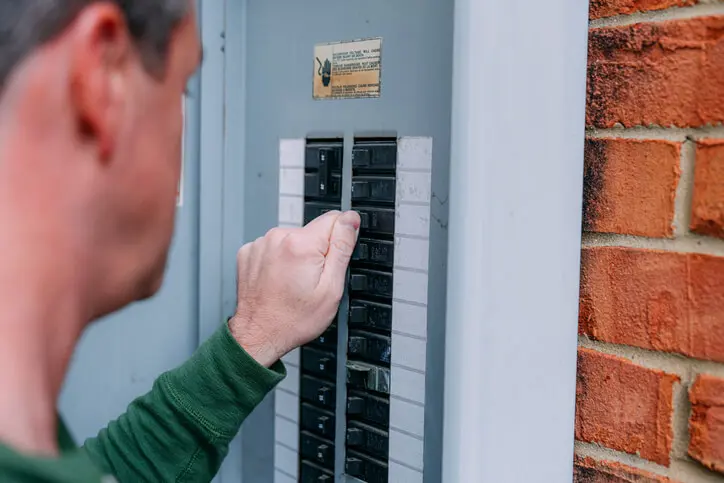
As the weather in the Pittsburgh area begins to shift toward warmer days, many of our neighbors are eager to spend more time outdoors. Whether you are setting up new patio lights or starting a landscaping project, managing your home's exterior power requires a specific set of safety rules. Unlike indoor environments, outdoor electrical systems are constantly exposed to moisture, fluctuating temperatures, and debris. Taking a few moments to understand the basics of outdoor power safety can prevent dangerous accidents and ensure your backyard remains a safe space for your family and guests.
Understanding the Importance of GFCI Protection
The most critical safety feature for any outdoor electrical outlet is a Ground Fault Circuit Interrupter, commonly known as a GFCI. These specialized outlets are designed to act as a lightning-fast safety switch. If the outlet detects that the electrical current is flowing through an unintended path—such as through water or a person—it shuts off the power in a fraction of a second. Because water and electricity are a deadly combination, having functional GFCI protection on every exterior outlet is not just a good idea; it is a vital safety standard.
You should regularly test these outlets to ensure they are still providing the protection your family needs. Over time, exposure to the elements can wear out the internal sensors of the outlet, even if it still appears to be providing power to your tools or lights.
To maintain your outdoor outlets effectively, follow these simple steps:
- Press the "test" button on your GFCI outlets monthly to verify that the power cuts off immediately.
- Ensure all exterior outlets are equipped with weatherproof covers that stay closed even when a cord is plugged in.
- Replace any outlets that show signs of singeing, discoloration, or cracks in the plastic housing.
- Avoid using standard indoor power strips or outlets for any exterior application.
Practicing Safe Extension Cord Usage
Extension cords are incredibly helpful for outdoor chores, but they are often the source of electrical hazards when used incorrectly. It is important to remember that extension cords are designed for temporary use only and should never be used as a replacement for permanent wiring. When choosing a cord for your yard, always verify that it is specifically rated for outdoor use, which means the insulation is thick enough to withstand sunlight and moisture without cracking.
Before you plug in your lawnmower or hedge trimmers, take a moment to inspect the entire length of the cord. A small nick in the outer jacket might seem minor, but it can lead to a significant shock if it comes into contact with damp grass. Properly storing your cords after each use prevents them from becoming tripping hazards or being damaged by pests and lawn equipment.
Keep these cord safety tips in mind during your next outdoor project:
- Never daisy-chain extension cords together; instead, use a single cord that is long enough for the task.
- Keep all electrical connections off the ground and away from puddles or damp soil using a specialized cord lock box.
- Unplug and store cords indoors immediately after you finish your work to prevent weather-related wear.
Identifying Potential Overhead and Underground Hazards
When you are focused on the work at hand, it is easy to forget about the power lines that might be running above or below your yard. Always look up before using a ladder or long-handled tool to ensure you stay at least 10 feet away from any overhead power lines. Even if you don't touch the line directly, electricity can sometimes arc across a gap to a metal tool, creating a life-threatening situation.
Similarly, if your project involves digging—whether for a new fence or a simple garden bed—you must know where your underground utility lines are located. Striking a buried electrical line is a major safety risk and can cause widespread power outages in your neighborhood.
Follow these guidelines to avoid hidden hazards in your yard:
- Call 811 to have your underground utility lines marked before you break ground on any digging project.
- Always carry ladders and long poles horizontally when moving across your yard to avoid accidental contact with overhead lines.
- Trim tree branches away from power lines only if you are trained to do so; otherwise, contact your local utility provider for assistance.
Protecting Your Home and Family Through Prevention
Maintaining a safe home environment means staying vigilant about both your pipes and your power. Just as you would address a plumbing leak to prevent water damage, addressing electrical hazards prevents the risk of fire and injury. By taking these objective, actionable steps, you ensure that your outdoor spaces are prepared for a season of safe enjoyment with your neighbors and friends. Upholding these standards of care is the best way to protect the integrity of your property for the long term.
Reddick & Sons Inc. believes that an ounce of prevention is worth a pound of cure, whether we are talking about your water lines or your backyard safety. While we specialize in providing technical solutions for your residential plumbing and commercial plumbing systems, we encourage all our neighbors to prioritize safety in every part of their home. From expert water heater repair to clearing drainage issues, our fourth-generation team is dedicated to the well-being of the Pittsburgh community.
Is your backyard ready for a family barbecue? Book an inspection with Reddick & Sons Inc. online or call us at (703) 348-9881. Let us help you make your outdoor space ready for this season!