As the frost finally clears and the ground begins to thaw, many neighbors in our community are busy preparing their homes for the warmer months ahead. While spring cleaning usually focuses on what we can see, it is just as important to check the systems hidden behind your walls and under your floors. Winter weather can be incredibly harsh on your pipes, and even a small freeze can lead to stress on your plumbing system that doesn't become apparent until the ice is gone. Taking the time to perform a simple post-winter inspection can help you catch minor issues before they turn into significant problems for your family.
Checking Your Outdoor Fixtures and Hose Bibs
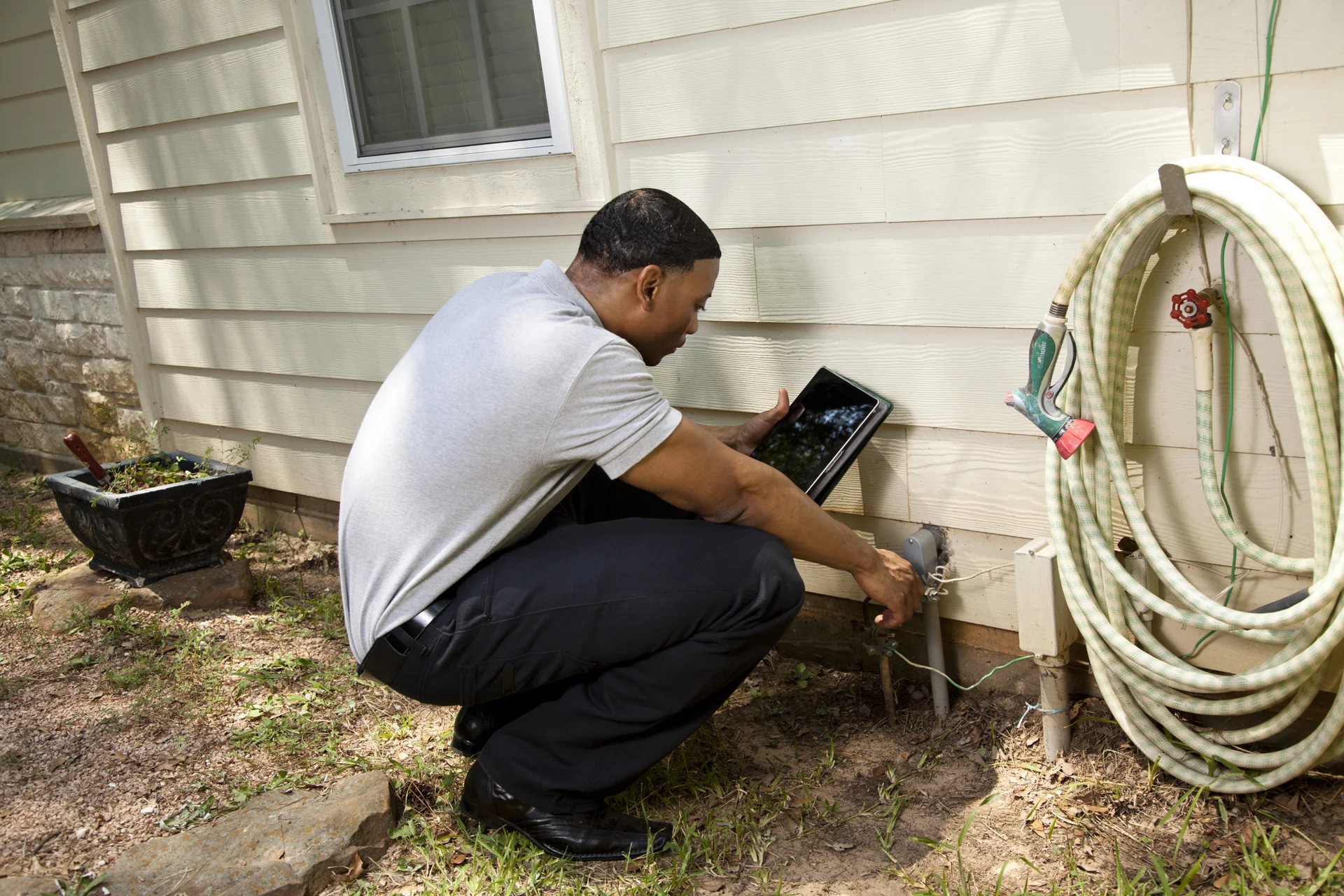
One of the most common areas for winter damage is your outdoor faucets, often called hose bibs. Even if you disconnected your hoses back in the fall, leftover water trapped in the pipe can freeze and expand, causing the metal to crack. You might not notice this damage until you turn the water on for the first time to wash the car or water the garden. If a crack has formed inside the wall, water will begin to leak into your home’s structure the moment the valve is opened.
Checking these fixtures is a simple process that anyone can do. Start by turning on each outdoor faucet and placing your thumb over the opening to create a bit of pressure. If the water flow stops completely, it may indicate a leak further back in the line that is letting the pressure escape.
To ensure your outdoor plumbing is ready for spring, keep an eye out for these specific signs:
- Water is leaking from the handle or the base of the faucet while it is turned on.
- Unusually low water pressure when using an outdoor hose.
- Damp spots on the interior drywall directly behind where the outdoor faucet is located.
- Puddles or soft, muddy spots in your yard near the foundation after the water has been running.
Inspecting Exposed Pipes in Unheated Areas
If your home has a crawl space, basement, or unheated garage, your pipes were likely exposed to the coldest air of the season. These areas are prone to hairline fractures in the piping that occur when the water inside reaches the freezing point. As the weather warms up, these tiny cracks can start to weep or drip, slowly causing moisture issues that lead to mold growth if they aren't caught early.
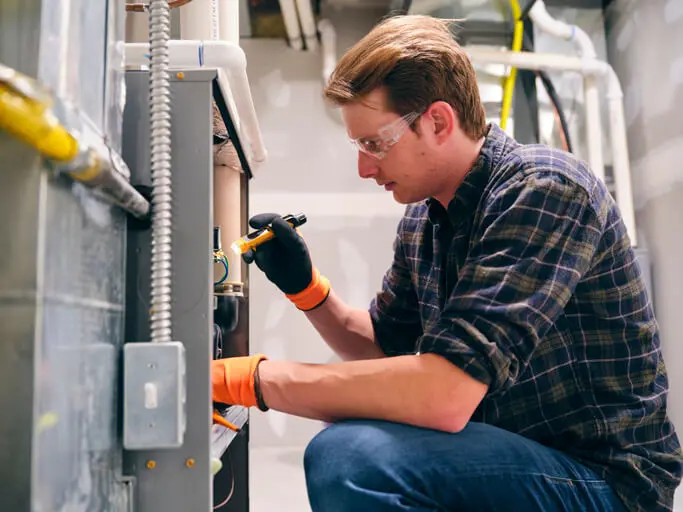
Walk through these unheated areas with a bright flashlight and look closely at any visible pipes. You are looking for more than just active puddles; even a small amount of crusty white buildup or rust on a pipe joint can signal a slow leak. Identifying these early warning signs is much easier when the areas are still relatively dry before summer humidity sets in.
During your walkthrough, be sure to verify the condition of these components:
- Check all pipe insulation for dampness or sagging, which suggests water is trapped underneath.
- Look for sweating or excessive condensation on cold water lines that might indicate a lack of proper airflow.
- Examine the floor beneath your main water shut-off valve for any signs of dripping or corrosion.
Evaluating Water Heater Performance After the Cold
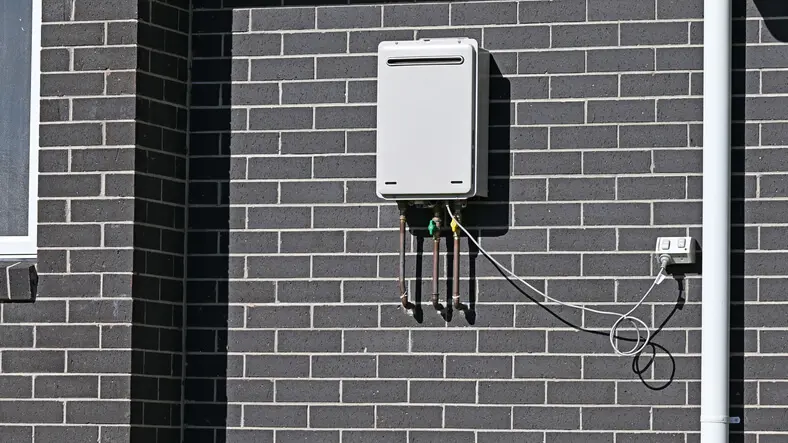
Winter forces your water heater to work much harder because the water entering your home from the ground is significantly colder than it is in the summer. This additional strain can accelerate sediment buildup at the bottom of the tank, especially in areas with hard water. If you notice that your showers aren't staying warm as long as they used to, or if you hear a rumbling sound when the unit is running, your heater may be struggling.
Spring is the perfect time to give your unit a quick visual check. Look around the base of the tank for any signs of rust or moisture, and check the temperature and pressure relief valves to make sure they aren't leaking. A small amount of maintenance now can help ensure you have a steady supply of hot water for your family all through the year.
Protecting Your Home From Hidden Spring Leaks
The transition from a cold winter to a wet spring puts a unique kind of pressure on your home’s plumbing. As the ground shifts and the temperatures fluctuate, pipes expand and contract, which can loosen connections or widen existing cracks. Being proactive about inspecting your fixtures now prevents the stress of dealing with a sudden water emergency during the first big spring storm. Taking an objective look at your system's health is the best way to maintain a safe and dry environment for your friends and neighbors.
At Reddick & Sons Inc., we specialize in helping homeowners navigate seasonal transitions with expert plumbing maintenance and kitchen and bathroom plumbing services. Our team uses technical precision to detect leaks and resolve drainage issues that often arise after a long winter. Whether you need an evaluation of your main water service line or professional water heater repair, we provide the technical solutions needed to keep your residential plumbing or commercial plumbing systems flowing correctly throughout the Pittsburgh area.
If you’ve noticed any suspicious dampness or a drop in pressure after the thaw, reach out to our family for a free quote at (703) 348-9881.